
Qatar's summer is one of the most challenging climates on earth for gardening. Temperatures regularly climb above 45°C, the sun is intense, humidity swings unpredictably, and air-conditioned interiors create their own set of problems for indoor plants. Whether you're growing plants on a balcony in Lusail, tending a villa garden in Al Waab, or keeping a snake plant alive on your office desk — summer demands a different approach.
The good news is that with the right care routine, most plants can not only survive Qatar's summer but actually thrive. This guide covers everything you need to know — from watering schedules to pest control — to keep your plants healthy through the hottest months of the year.
1. Master Your Watering Schedule
Water management is the single most critical part of summer plant care in Qatar. Both overwatering and underwatering are common mistakes, and both can kill your plants.
For Outdoor Plants
Water outdoor plants in the early morning or late evening only. Watering in the middle of the day causes rapid evaporation and the water never properly reaches the roots. Deep, slow watering 2 to 3 times a week is far more effective than light, daily watering — it encourages roots to grow deeper into the soil, making the plant more heat-resilient.
💧 Tip: A drip irrigation system is a game-changer for outdoor gardens in Qatar's summer. It delivers water directly to the root zone, minimises evaporation, and saves significant water over time.
For Indoor Plants
Counterintuitively, indoor plants in air-conditioned spaces often need less water in summer — not more. The cool, dry AC air slows evaporation from the soil. Always check the soil before watering: push your finger 2–3 cm into the soil and only water if it feels dry. Overwatering is the most common way people kill indoor plants in Qatar.
When you do water, do it thoroughly. Water slowly and allow the soil to absorb it fully. Let the plant sit in a shallow bowl of water for about 10 minutes so it can absorb from the bottom — but don't leave it sitting in water or roots will rot.
💡 Always use room-temperature water. Cold water straight from the tap can shock roots, especially in summer when soil temperatures are higher.
2. Protect Plants from Direct Sun
The Qatar summer sun is intense enough to scorch leaves, even through glass. Sunburn appears as rough, dry brown patches on leaves — once a leaf is burnt, it won't recover.
Indoor Plants
Move your indoor plants away from windows that receive direct afternoon sun during summer. Even sun-loving plants like succulents and cacti that are kept indoors year-round are not conditioned to handle the sudden intensity of summer direct sun through glass. Position them in bright, indirect light — a spot a metre or two from the window is usually ideal.
If your curtains are drawn during peak heat hours, consider using a grow light to supplement natural light for plants that need it.
Outdoor Plants
For balconies, courtyards, and gardens, install shade nets over your plants during summer. Even sun-loving outdoor plants benefit from 30–40% shade cloth during Qatar's peak summer months (June–September). This is especially important for young plants and recent transplants.
• Install shade netting over garden beds and balcony planters
• Move potted plants to shadier spots during summer afternoons
• Watch for brown, papery patches on leaves — the first sign of sun damage
3. Manage Humidity for Indoor Plants
Air conditioning is essential in Qatar's summer, but it strips moisture from the indoor air — often dropping humidity below 30%. Most tropical indoor plants prefer 50–70% humidity. This dry air causes leaf tips to brown, leaves to curl, and stress the plant overall.
Ways to Increase Indoor Humidity
• Group plants together — they release moisture through their leaves, creating a more humid microclimate around each other
• Place plants on a shallow tray filled with pebbles and water. The evaporation from the tray adds moisture to the surrounding air without waterlogging the roots
• Mist tropical plants like ferns, Calatheas, and Peace Lilies lightly every few days — but avoid misting succulents, cacti, or Snake Plants
• Keep plants away from direct AC vents, which blast dry, cold air directly onto leaves
🌿 Plants like Areca Palms naturally increase indoor humidity as they transpire — a practical double benefit during Qatar's dry summer months.
4. Choose the Right Soil and Add Mulch
Outdoor Soil
Qatar's native sandy soil drains too quickly, meaning water passes through before roots can absorb it. For outdoor garden beds and large planters, mix sandy soil with organic compost to improve water retention and add nutrients. Slow-release fertilisers work particularly well in sandy Qatari soils.
Apply a generous layer of wooden or organic mulch (5–8 cm) on top of the soil around your outdoor plants. Mulch dramatically reduces surface evaporation, keeps root zones cooler, and suppresses weeds — all critical benefits during summer.
Indoor Potting Soil
Good quality indoor potting soil ensures proper drainage so roots don't sit in waterlogged soil — a common cause of root rot in Qatar's humid summer months.
Browse our range of potting soil and fertilisers specifically suited for Qatar's conditions.
5. Hold Off on Fertilising and Repotting
Summer is not the right time to push growth. Most plants slow down or go semi-dormant during Qatar's extreme heat — they are in survival mode, not growth mode. Applying fertiliser during this period can cause root burn and put unnecessary stress on the plant.
Similarly, avoid repotting during summer unless absolutely necessary. Repotting disturbs the root system, and a stressed plant in summer heat is poorly equipped to recover. Wait until October or November when temperatures drop and plants naturally resume active growth.
📅 The ideal time to fertilise and repot plants in Qatar is October to March — when temperatures are mild and plants are actively growing.
6. Prune Dead Leaves — But Avoid Heavy Pruning
Yellowing leaves, dried flowers, and dead stems should be removed regularly during summer. Fallen or dying leaves left sitting on the soil surface attract pests and create ideal conditions for fungal growth in Qatar's humid summer air.
However, avoid heavy or significant pruning during summer. Major pruning stimulates new growth, and fresh new growth is highly vulnerable to heat stress. Save significant shaping and cutting for cooler months.
What to Remove in Summer
• Yellow or brown leaves
• Dead flower heads
• Any diseased or pest-damaged stems
• Fallen leaf debris sitting on the soil surface
7. Watch for Pests — Summer is Peak Season
Qatar's summer warmth creates ideal breeding conditions for common plant pests. Spider mites, aphids, and mealybugs are the most frequent offenders and can multiply very quickly in warm conditions.
Signs of Pest Infestation
• Tiny webbing on the underside of leaves (spider mites)
• Sticky residue on leaves or nearby surfaces (aphids)
• White fluffy deposits at leaf joints (mealybugs)
• Yellowing or speckling on leaves (general pest damage)
Treatment
For organic control, neem oil spray is the most effective and widely recommended treatment in Qatar. Mix neem oil with water and a small amount of liquid soap, and spray thoroughly on affected plants — especially the undersides of leaves. For severe infestations, repeat every 5–7 days.
We stock organic neem fertiliser and plant sprays to help manage pests naturally.
8. Recognise Signs of Summer Stress Early
Catching heat stress early means you can adjust care before permanent damage occurs. Here are the most common warning signs to watch for:
• Wilted leaves — often the first sign of underwatering or extreme heat
• Pale, yellow, or brown leaves — could be overwatering, underwatering, or sunburn
• Dry, papery brown patches — typically sunburn from direct exposure
• Leaf drop — stress response to heat, drought, or sudden temperature changes
• Slow or no growth — normal in summer as plants conserve energy
👀 Check your plants every 2–3 days during summer. Early intervention saves plants. A wilted plant caught early can usually recover within hours of proper watering.
Best Plants to Keep in Qatar's Summer
Some plants handle Qatar's summer particularly well. If you're planning to add greenery during the hotter months, these are reliable choices:
Indoor Plants for Summer
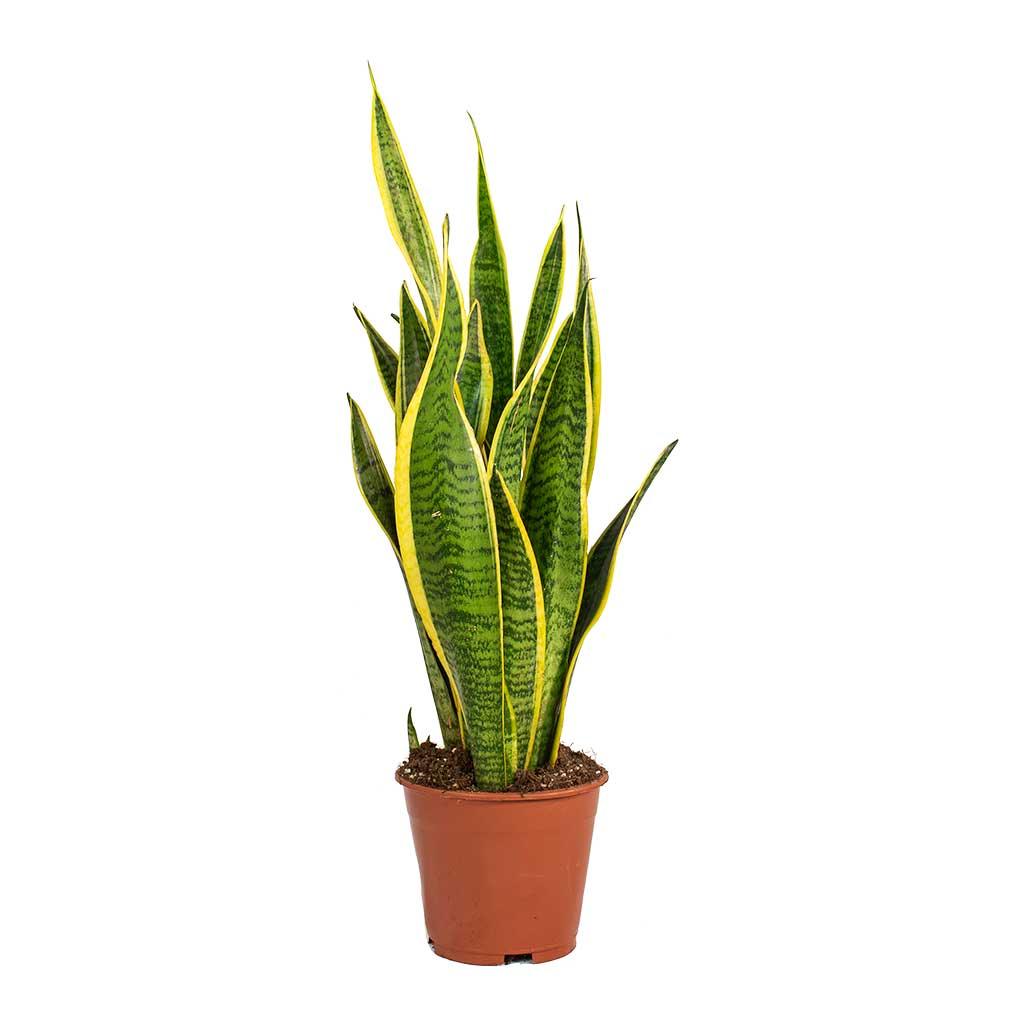
• Snake Plant (Sansevieria) — Thrives in low light and dry AC air. Extremely forgiving.
• ZZ Plant — Stores water in its rhizomes. Handles drought and low light exceptionally well.
• Aloe Vera — A true desert plant. Needs minimal water and handles high temperatures naturally.
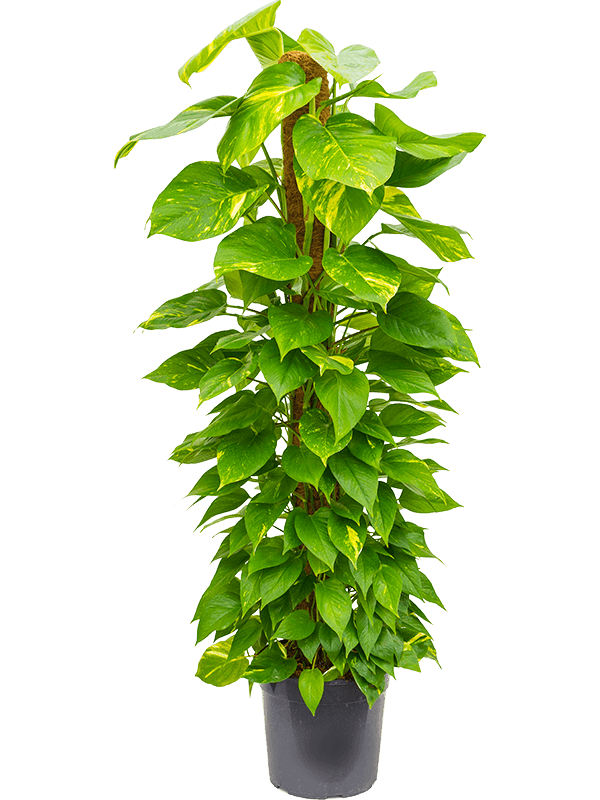
• Money Plant (Pothos) — Fast-growing and adaptable. Tolerates varying light and irregular watering.
• Areca Palm — Adds humidity to indoor air. A natural cooler for living spaces.
Outdoor Plants for Summer
• Bougainvillea — Loves full sun, extremely drought-tolerant, and blooms beautifully through summer
• Desert Rose — Stores water in its trunk, produces striking blooms with minimal care
• Nerium Oleander — Hardy shrub, tolerates intense heat and flowers through summer
• Date Palm — Qatar's iconic tree, naturally adapted to extreme heat and sandy soil
• Portulaca — Ground-cover succulent that thrives in scorching heat with almost no maintenance
Final Thoughts
Qatar's summer doesn't have to mean dead plants and bare spaces. With consistent watering routines, smart placement, proper soil, and a watchful eye for early stress signs, your plants can stay healthy and vibrant through even the hottest months.
The key is adjusting your care habits to match the season — water at the right time, protect from harsh sun, hold off on heavy feeding, and act quickly when you spot a problem.
🌿 Need plants, soil, fertilisers, or watering tools to prep for summer? Shop everything at Garden.qa — delivered across Qatar.
For offices, hotels, or large projects, explore our commercial and bulk order services.