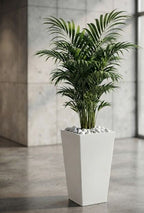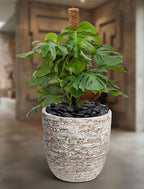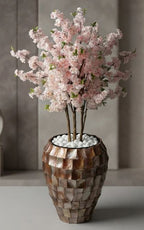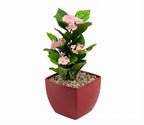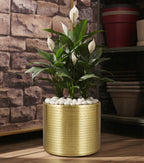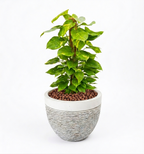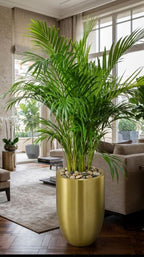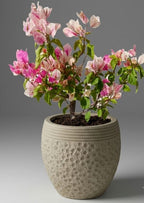
Bahia Jade Harmony Collection
QAR 179,00

Care
Low Maintenance
Suitable for
Office • Living Room • Bedroom
Light Conditions
Bright light
Pet Friendly
Not Pet Friendly
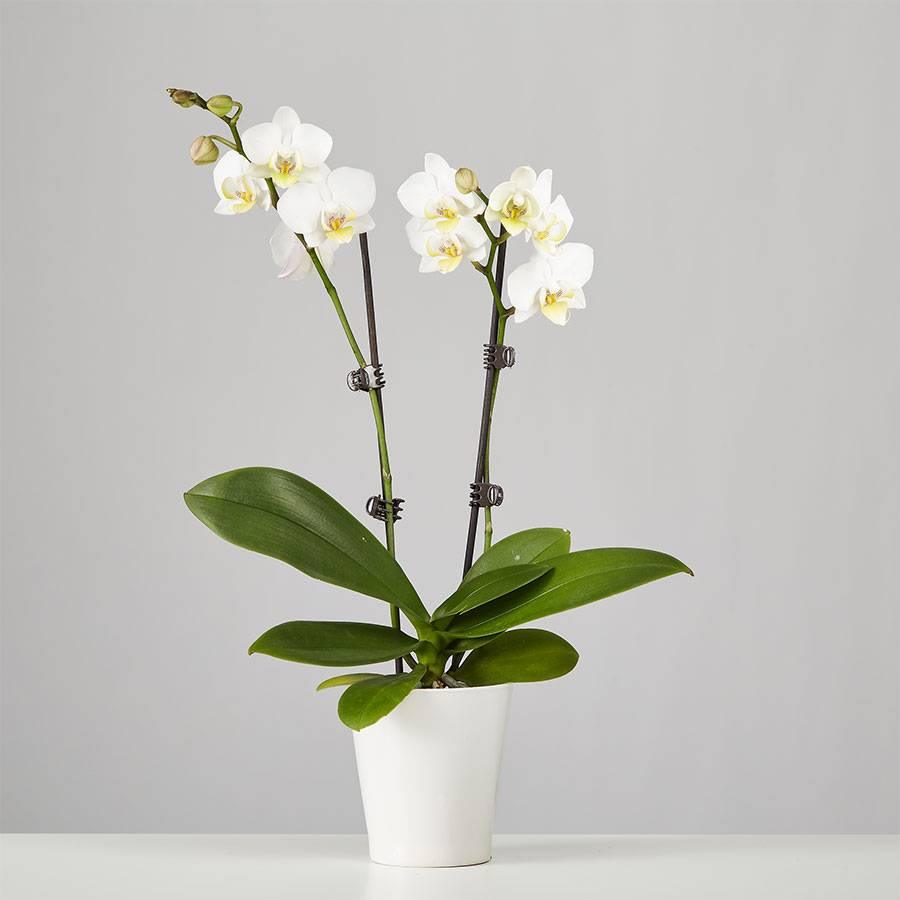
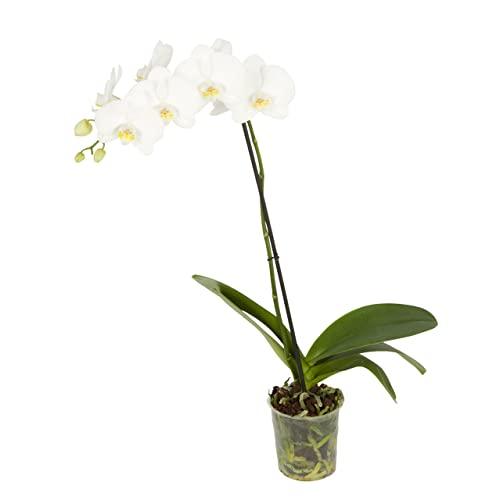
Orchids in the genus Phalaenopsis are monopodial epiphytic, sometimes lithophytic herbs with long, coarse roots with pneumatodes and short leafy stems hidden by overlapping leaf bases. The leaves are usually arranged in two rows, relatively large and leathery, oblong to elliptic and sometimes succulent. A few to many, small to large, long-lasting, flat, often fragrant flowers are arranged on erect to hanging racemes or panicles. The sepals and petals are free from and spread widely apart from each other. The lateral sepals are usually larger than the dorsal sepal and the petals much wider than the sepals. The labellum is joined stiffly to the column and has three lobes. The side lobes are erect and more or less parallel to each other and the middle lobe sometimes has a pair of appendages or antennae.
Elite Welcome Planter
QAR 591,00
Sold outFree shipping over QAR 300
0/300
Cash on delivery available
Shipping within 24 hours
Choose your pot
Pick an option
Customer-approved favourites for your home and garden.
Lovely artificial monstera
The most realistic artificial monstera — includes aerial roots, juvenile leaves and sheaths. Beautiful and great price for the size. Will order again for sure.
Excellent service
I talked with a gentleman on WhatsApp who was very helpful and gave me some advice on what I should buy, plus he instructed the delivery team to transfer some plants I already had into new pots. Definitely would approach them again if I need to purchase a plant or gardening products.
Amazing treasure trove of all things plants!!
One of the best garden centres in the region with such a wonderful selection of indoor and outdoor plants! Fabulous service, exceptional home delivery! You name it, they have it!!! I love love love this place!!

Read more here.
Unbox immediately, remove packaging, and place the plant in its new location. If the soil feels dry, water lightly and let it adjust for a couple of weeks.
No. Plants are shipped in nursery grow pots with proper drainage. Allow at least two weeks for your plant to acclimate before repotting into a decorative planter.
Visit our Plant Care Guides section on our website. For personalized help, email info@garden.qa — our plant experts are happy to assist anytime.
Watering varies by plant type. Generally, water every 7–10 days.
Use 300 ml for small plants and 500 ml for large plants to avoid overwatering.
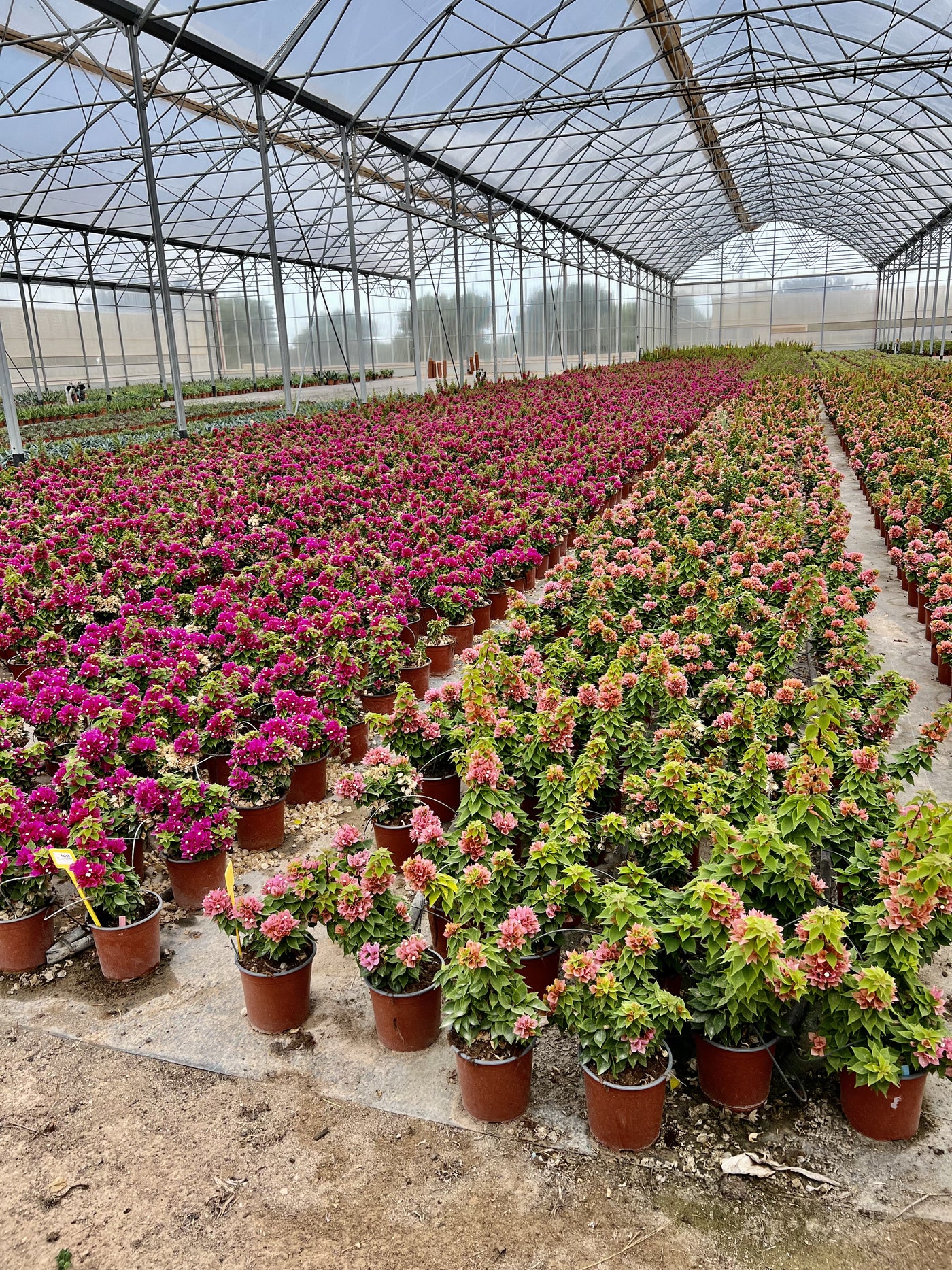
Secure exclusive pricing, reliable supply, and delivery for large quantity orders of plants, planters, soil, and tools.